 Generations of the Cord Automobile
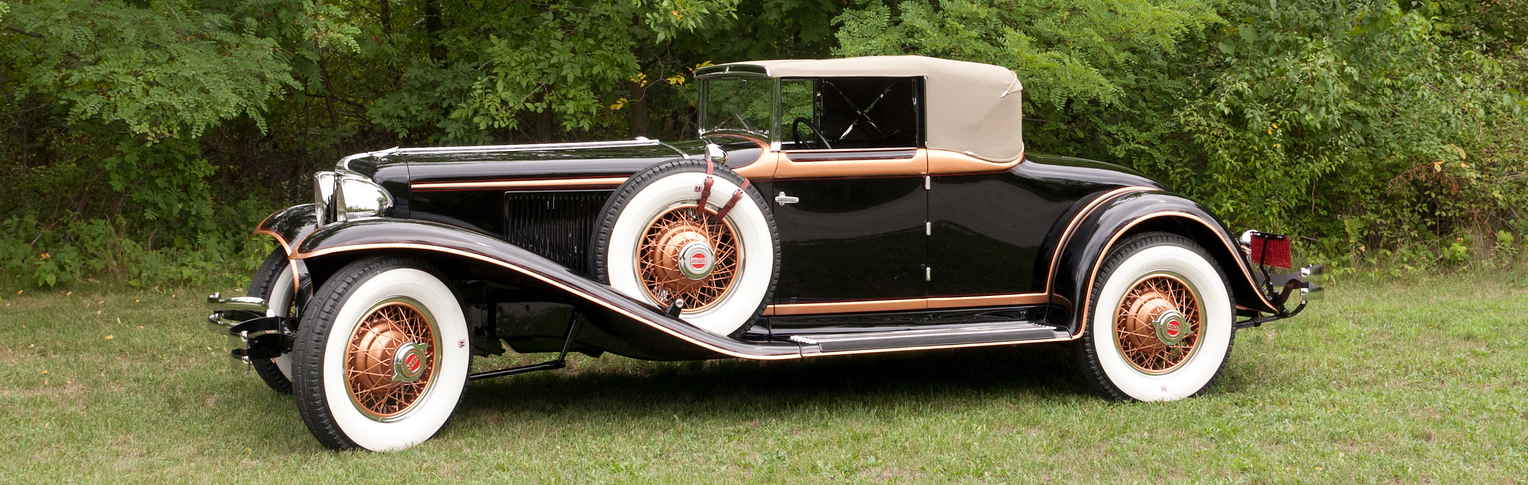
Built by the Auburn Automobile Company and named for its patron, E. L. Cord, the Cord automobile represented both technological and aesthetic innovation. With front-wheel drive and low, sleek styling, the Cord was a sensation when it arrived on the automotive world stage in 1929.
Cord L-29
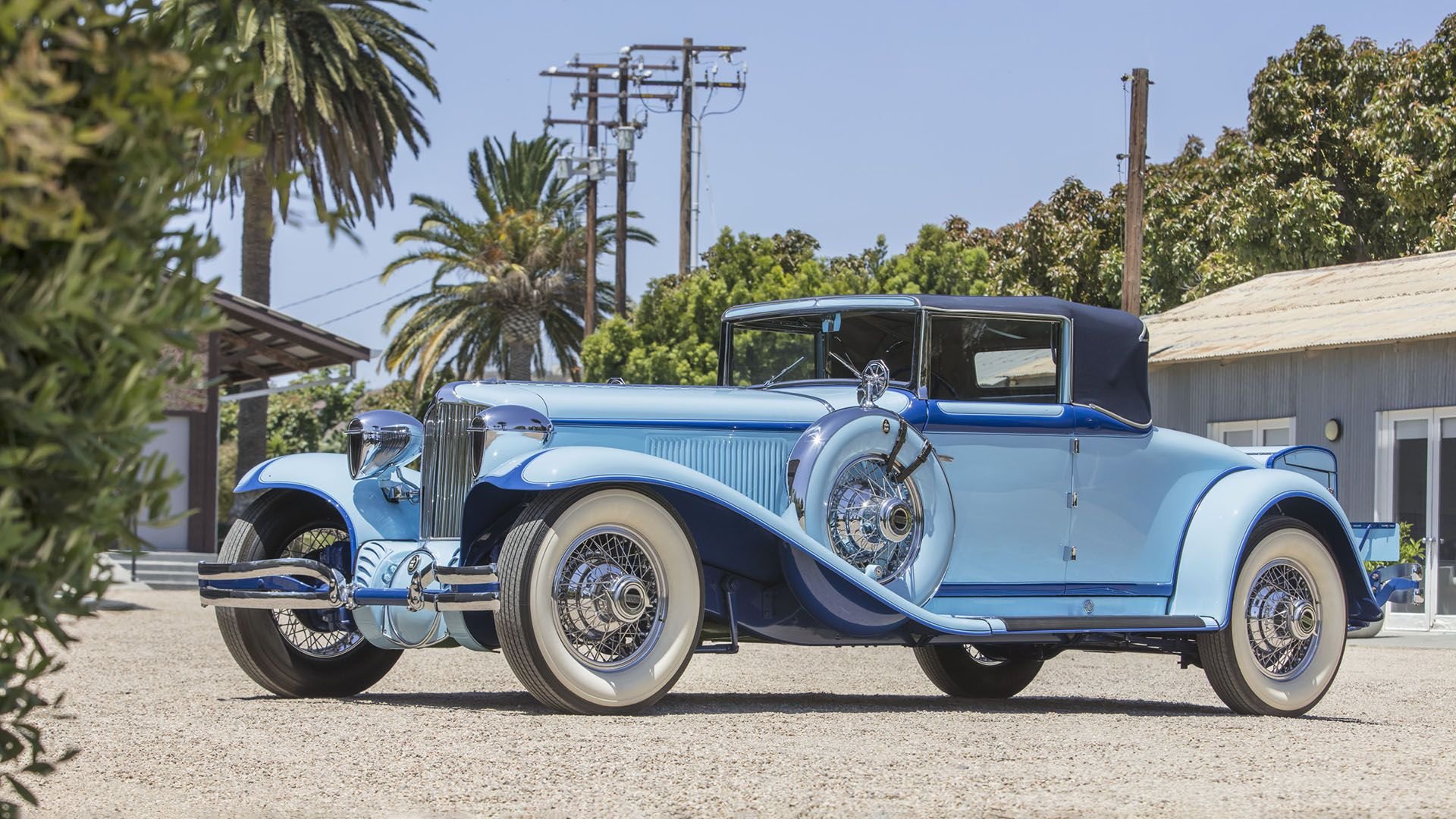 E. L. Cord witnessed the front-wheel drive concept at the Indianapolis 500 race in the mid-1920s, and was convinced this form of drive system was the future of the automobile. With the technical assistance of Harry Miller and Cornelius Van Ranst both of racecar constructor fame, and Herbert Snow, vice-president of engineering for the Auburn Automobile Company, the Cord Front Drive, or L-29, became a reality.
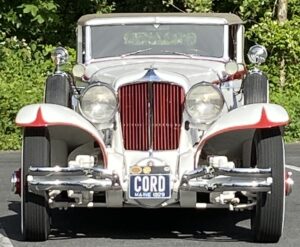
Styling of the exterior was penned by the talented Alan Leamy who was both aesthetically and mechanically inclined. The Cord’s front-wheel drive system allowed Leamy to create a low roofline, which gave the illusion of a longer body. Leamy’s preference for an integrated body design from its radiator grill to its long fenders gave the Cord its timeless lines and contours, integrating the technical feature of front-wheel drive into its styling.
Introduced just before Black Tuesday in October 1929, which ushered in the Great Depression, the Cord was a sensation with the public and the press. The Auburn Automobile Company built more Cords than they initially envisioned, albeit taking three years to sell the entire production run. The Cord L-29 is still considered a masterpiece of classic automotive styling.
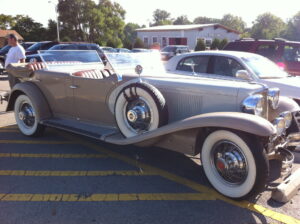
Cord 810/812 Series
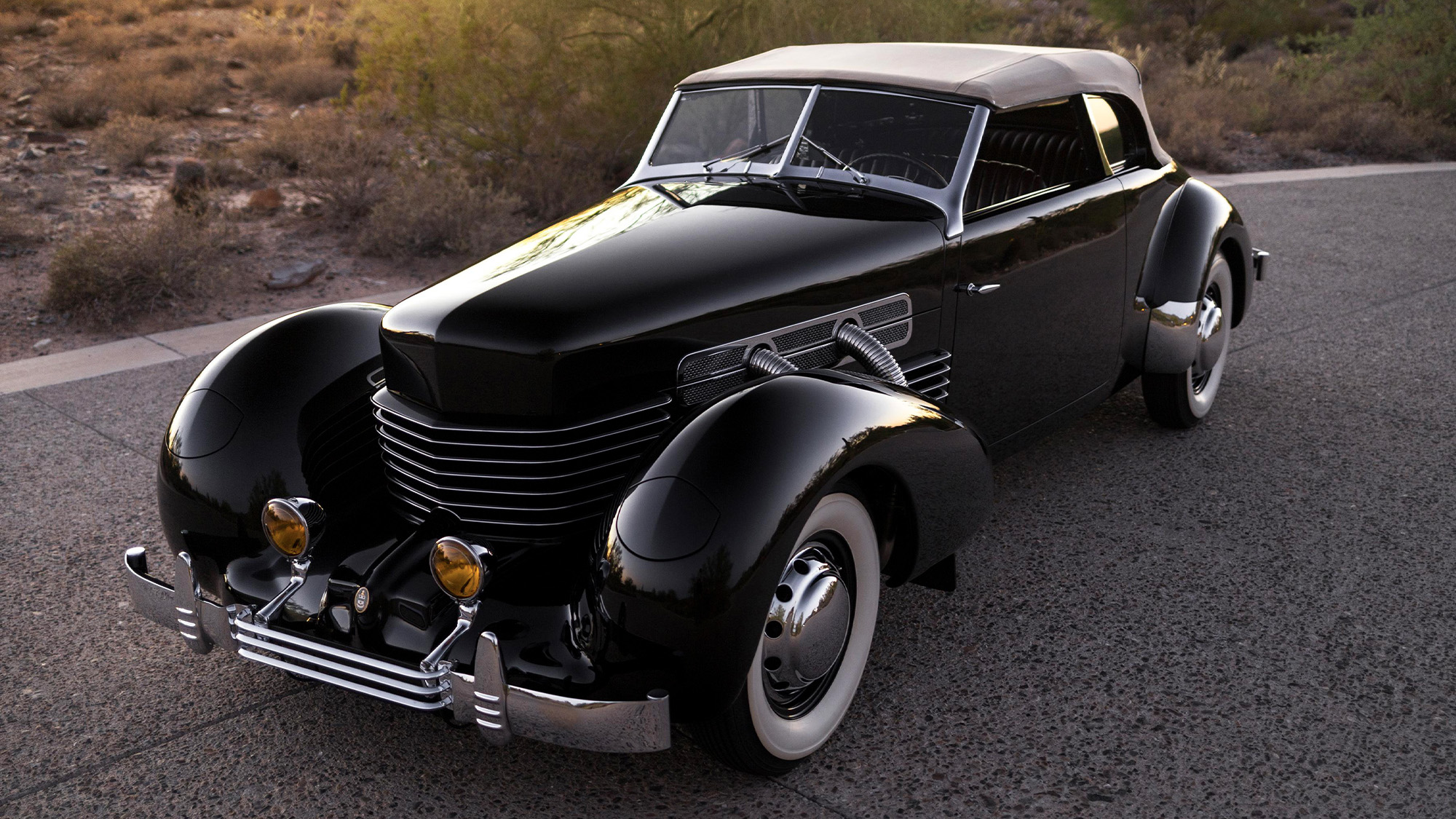 The second-generation Cord shocked the automotive world when introduced at the New York Auto Show in November 1935. The public and press were awestruck by its art-deco exterior, and they scrambled to stand on the running boards of competitor’s vehicles just to glimpse the radical Cord.
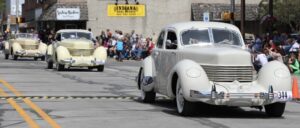 Gordon Buehrig and his talented styling team designed the body of the Cord 810 (redubbed “812” for the 1937 model year) with features that were in stark contrast to its contemporaries worldwide. With hidden headlights, the removal of the radiator as a styling element, pontoon fenders and sculpted body, this automobile is still recognized as one of the most beautiful automobiles ever created.
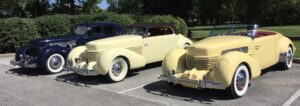
The Cord 810 was one of the first production vehicles to use unitized body construction, today a common method. With a four-speed front drive system and independent front suspension, the Cord provides many of the drivability benefits we enjoy today.
While only built for two years, 1936 and 1937, the Cord 810/812 Series has left an indelible mark upon the automotive design world, both aesthetically and mechanically.